
When something goes wrong with your vehicle, choosing where to take it can feel like a big decision. You want quality repairs, but you also want to know the people working on your vehicle are going to be straightforward with you. At May Bros Auto Repair , being local is an important part of how we do business. We’re a family-owned and operated auto repair shop that has served Chattanooga and the surrounding communities for more than 30 years . More Than an Auto Repair Shop For a local business, reputation matters. We don’t just work in Chattanooga—we serve the people who live, work, commute, and run businesses here. Over the past three decades, May Bros has built relationships with generations of Chattanooga drivers by focusing on honest recommendations, clear communication, fair pricing, and dependable workmanship. Our goal isn't to make auto repair more complicated than it needs to be. We take the time to properly diagnose your vehicle, explain what we find, and discuss your options before repairs begin. Local Service Means Personal Service One of the advantages of choosing a locally owned auto repair shop is knowing who you're trusting with your vehicle. At May Bros, we believe customers should understand what their vehicle needs and why. That's why communication is a major part of our process. From the initial diagnosis through the completed repair, we work to keep you informed rather than leaving you wondering what's happening with your vehicle. Many services and repairs can even be completed the same day, helping our Chattanooga customers get back to work, school, errands, and everyday life as quickly as possible. Complete Auto Repair, Right Here in Chattanooga Being a neighborhood shop doesn't mean offering limited services. May Bros provides comprehensive automotive repair and maintenance for most makes and models, including domestic, import, and many luxury vehicles. Our services include: Oil changes and preventative maintenance Brake repair Check engine light diagnostics Wheel and tire services Transmission service Steering and suspension repair Auto electrical repair A/C and heater repair Exhaust system service Tune-ups Commercial fleet maintenance Whether it's time for routine maintenance or your vehicle suddenly isn't running the way it should, you can find the automotive services you need right here in Chattanooga. 30+ Years of Serving Chattanooga Drivers A lot can change in 30 years—especially when it comes to vehicles. What hasn't changed is the importance of finding a mechanic you can trust. For more than three decades, May Bros has worked to earn that trust one customer and one vehicle at a time. We're proud to be part of the Chattanooga community and even prouder when customers choose to return to us whenever their vehicles need service. Supporting a local auto repair shop also means supporting a business that's invested in the same community you call home. Your Local Chattanooga Auto Repair Shop The next time your check engine light comes on, your brakes start making noise, your A/C stops blowing cold, or it's simply time for an oil change, you don't have to look far. May Bros Auto Repair is here in Chattanooga and ready to help. Visit our shop at 6807 Lee Hwy, Chattanooga, TN 37421 , or schedule your next service with our team.
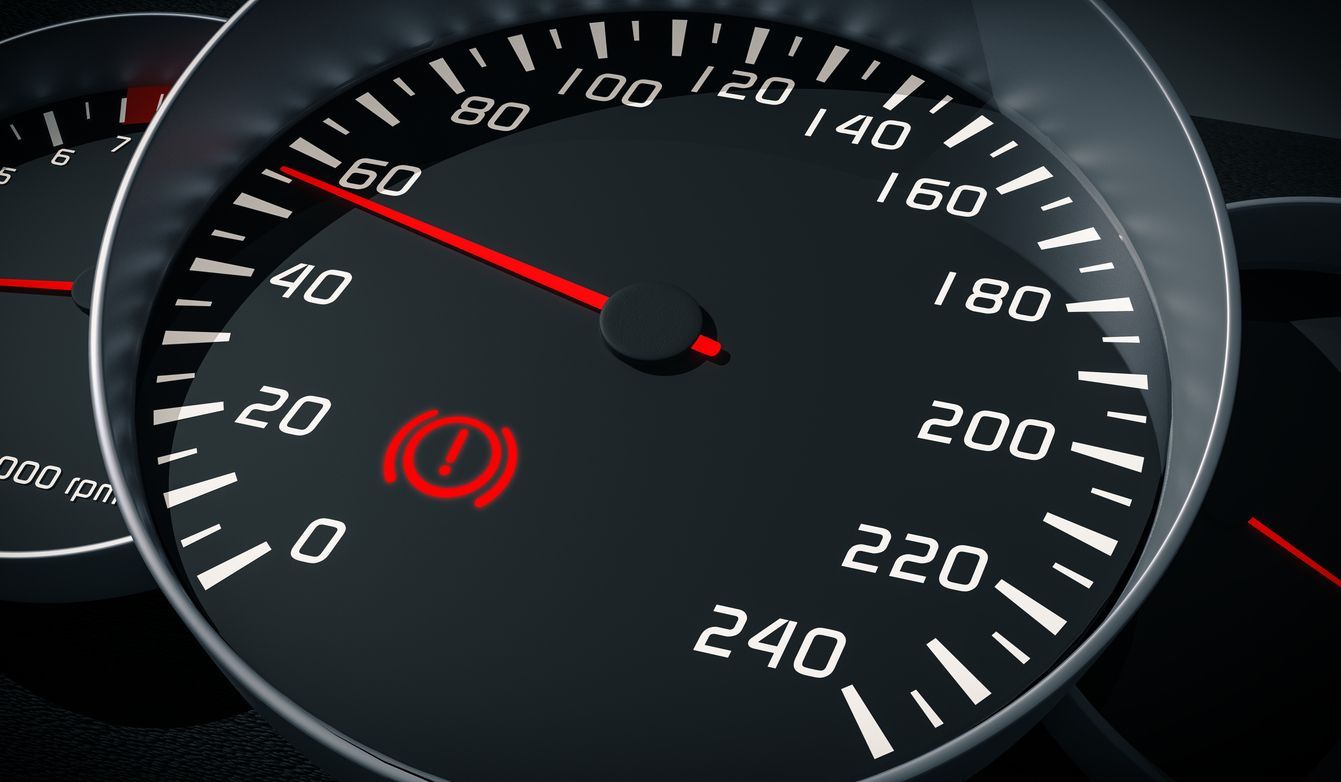
Your vehicle's brakes are one of its most important safety systems. Whether you're commuting through Chattanooga, heading out on a road trip, or simply running errands around town, you rely on your brakes every time you get behind the wheel. Ignoring brake problems can turn a minor repair into a costly—and dangerous—situation. At May Bros Automotive, we help drivers stay safe with professional brake inspections, maintenance, and repairs. Here's what every vehicle owner should know about recognizing brake issues before they become major problems. How Your Braking System Works When you press the brake pedal, several components work together to slow and stop your vehicle, including: Brake pads Brake rotors Brake calipers Brake fluid Brake lines Anti-lock Braking System (ABS) Over time, these parts naturally wear down from everyday driving. Regular inspections help catch problems early before they affect your stopping power. Common Signs You Need Brake Repair 1. Squeaking or Squealing Brakes One of the earliest warning signs is a high-pitched squeal when you apply the brakes. Many brake pads are designed with wear indicators that intentionally make this noise when it's time for replacement. While not every squeak means immediate repairs are needed, it's worth having your brakes inspected before the problem gets worse. 2. Grinding Noises Grinding usually means your brake pads have worn completely through, allowing metal components to rub together. Driving with grinding brakes can damage your rotors and significantly increase repair costs. If you hear grinding, schedule service as soon as possible. 3. Vibrations While Braking If your steering wheel or brake pedal shakes when slowing down, warped brake rotors could be the cause. Warped rotors reduce braking performance and can make stopping less smooth, especially at higher speeds. 4. Soft or Spongy Brake Pedal A brake pedal that feels soft or sinks toward the floor may indicate: Air in the brake lines Low brake fluid A brake fluid leak Master cylinder issues Any change in pedal feel should be inspected immediately because it may reduce your ability to stop safely. 5. Vehicle Pulling to One Side If your car pulls left or right while braking, possible causes include: A sticking brake caliper Uneven brake pad wear Brake fluid issues Not only does this affect braking performance, but it can also lead to uneven tire wear if left untreated. 6. Brake Warning Light Modern vehicles monitor many components of the braking system. If your brake or ABS warning light comes on, don't ignore it. While it may be something minor, it could also indicate a serious issue that requires professional diagnosis. Why Brake Maintenance Matters Waiting too long to replace worn brake pads often leads to more expensive repairs. Replacing brake pads on time can help prevent damage to: Brake rotors Brake calipers Brake hardware Other braking components Routine inspections are one of the easiest ways to save money while keeping your vehicle safe. How Often Should Brakes Be Inspected? Brake life varies depending on: Driving habits Vehicle weight Road conditions City versus highway driving As a general rule, it's smart to have your brakes inspected during routine maintenance or anytime you notice unusual sounds, vibrations, or changes in braking performance. Don't Ignore Brake Problems Many brake issues start small but become more expensive the longer they're ignored. Addressing warning signs early helps improve safety, protects other brake components, and gives you peace of mind every time you drive. If your vehicle is making unusual noises, your brake pedal doesn't feel right, or it's simply been a while since your last inspection, it's a good idea to have your braking system checked by a trusted automotive professional. At May Bros Automotive, our experienced technicians provide thorough brake inspections and reliable brake repair services to help keep Chattanooga drivers safe on the road. Whether you need new brake pads, rotor replacement, brake fluid service, or a complete brake system diagnosis, we're here to help get you back on the road with confidence.
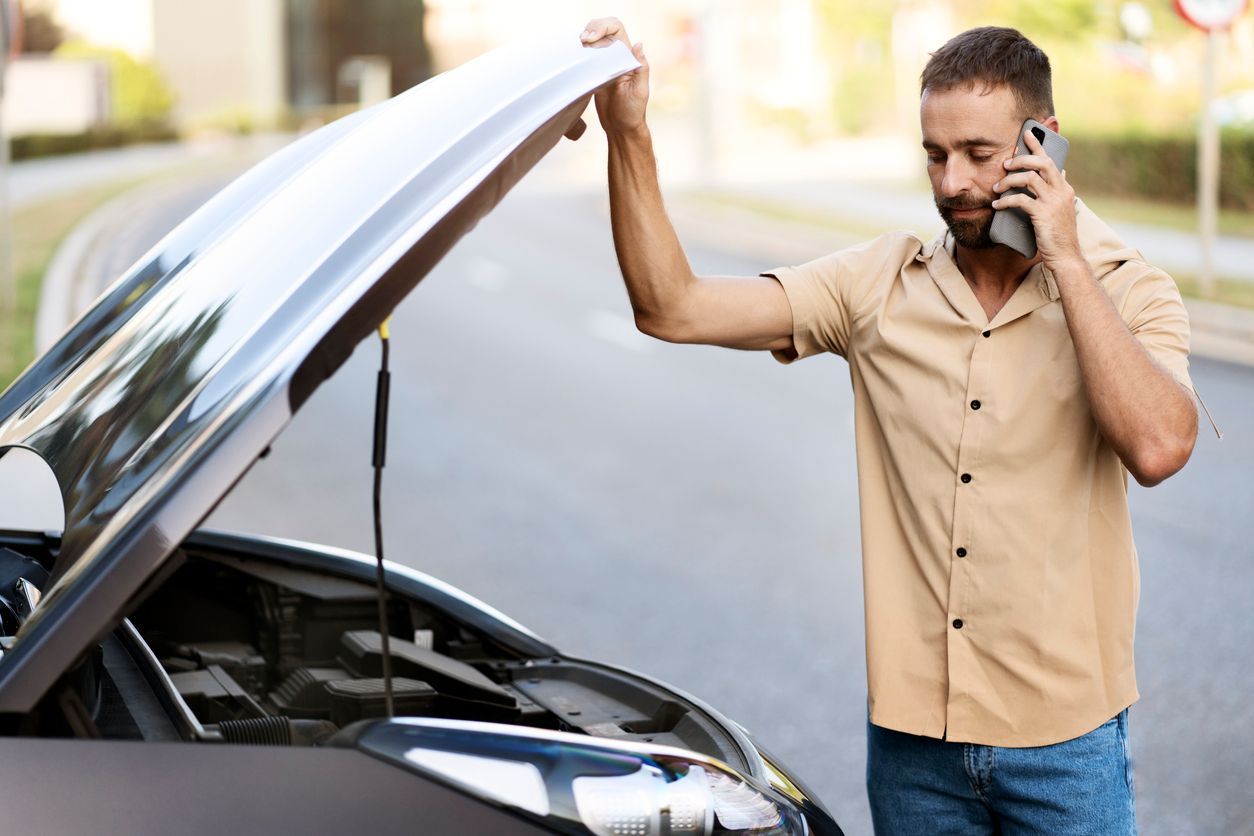
Learn the 7 warning signs your vehicle needs immediate attention and when to schedule professional auto repair before small issues become costly repairs.